Holiday Book Swap 2025: Jennie, Anjanette, & Lee Discuss the Books They Got Each Other for Christmas!
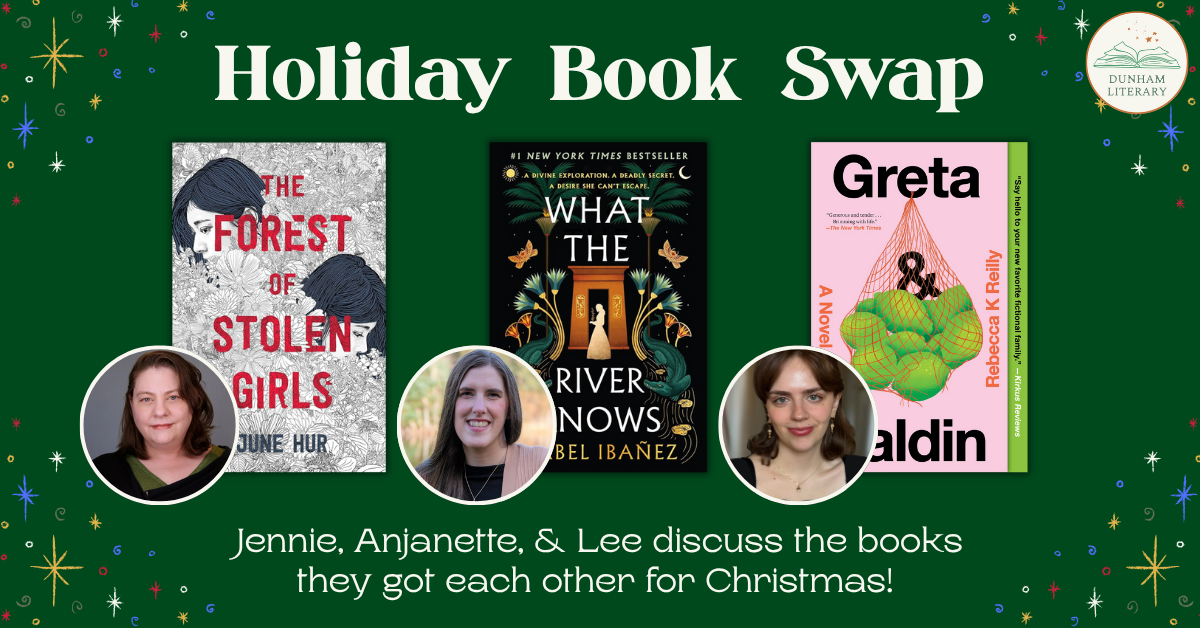
Each holiday season, we at Dunham Lit choose a title for our fellow agents to read and discuss when we return from break in the new year. For 2025, we each provided a list of books on our TBR (“To Be Read”) lists, and allowed the others to pick a title from that shortlist. We each had a lot to say on our reads, so take a peek below to see what we thought!
Jennie’s Options and Chosen Book
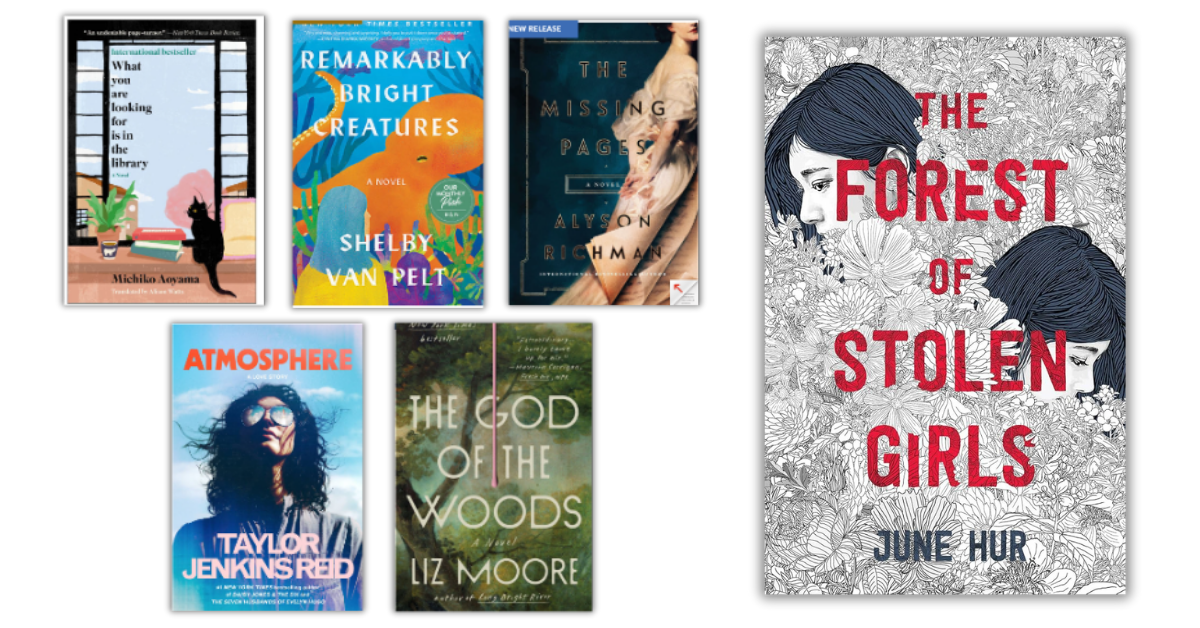
Why we chose THE FOREST OF STOLEN GIRLS for Jennie:
AB: While all of the books on Jennie’s list looked interesting, I could tell she’d been intrigued by the book when Lee read it. It combines several of her interests – history/anthropology, crime/mystery/secrets. And it was shorter than some of the others!
LM: June Hur has been one of my favorite, must-read YA authors since her debut, THE SILENCE OF BONES, and I’ve been telling Jennie to check her books out for the longest time! I knew the literary, atmospheric writing, well-researched setting, and fast-paced mystery at its core would appeal to Jennie’s sensibilities as a reader.
What did Jennie think of the book?
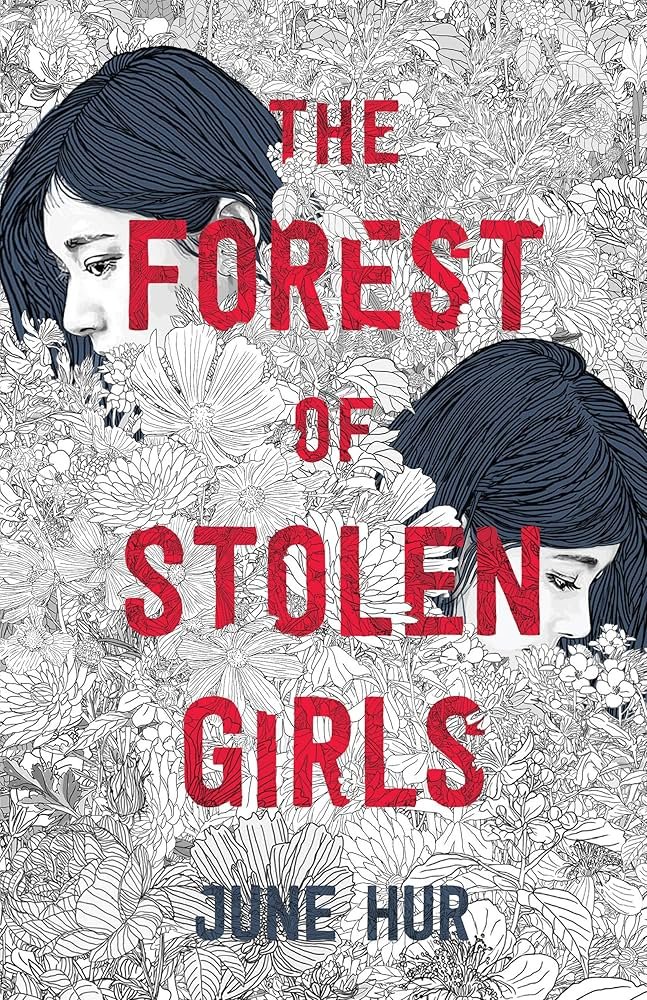
JD: I was thrilled with their pick for me! Any of the books would have been fine. I found THE FOREST OF STOLEN GIRLS on Lee’s list of recent reads on StoryGraph which gave it an extra level of recommendation. I have a soft spot for anything Korean because of a family friend from Korea who worked with my father.
I also was intrigued by the historical time period. I’m fascinated by the Medieval period, but years ago in school I learned mostly about Europe in this time period, so I have very little knowledge of this time in Korea. Which, conversely, means I have a big curiosity about it. Similarly, the setting on Jeju Island got me excited because I knew it’s a place where women dive for pearls and live in a matriarchal society, and I was eager to find out more about the island’s culture.
As for the story, Anjanette and Lee know me as a reader well, and it didn’t surprise me that they picked a book with a mystery for the main throughline. From the beginning I was tracking the many open questions about people who were missing, including 13 girls and the protagonist Hwani’s father who was the detective assigned to find the girls in the first place. It’s fun to have a story with a lot of drive so that I could keep guessing what would happen. Not too far into the story, I knew what had happened to the girls, and at first I was disappointed with that. But then I realized there are so many questions surrounding their disappearance that I focused on other aspects such as who was taking them and how they were being taken.
The writing style was a real draw for me too. June Hur’s voice is strong, and I could imagine everything as it happened. I was particularly interested in the sister relationship between Hwani and Maewol who wanted to be close but had tension between them because Hwani had gone to live on the mainland with her father and Maewol had been left on the island with a shaman. During their separation, each one fantasized about the sister relationship, and of course the idealized versions that grew within them while they were estranged didn’t match reality when they were together again. I enjoyed watching them find their way back to trusting each other, working together, and becoming the family they both needed.
Anjanette’s Options and Chosen Book
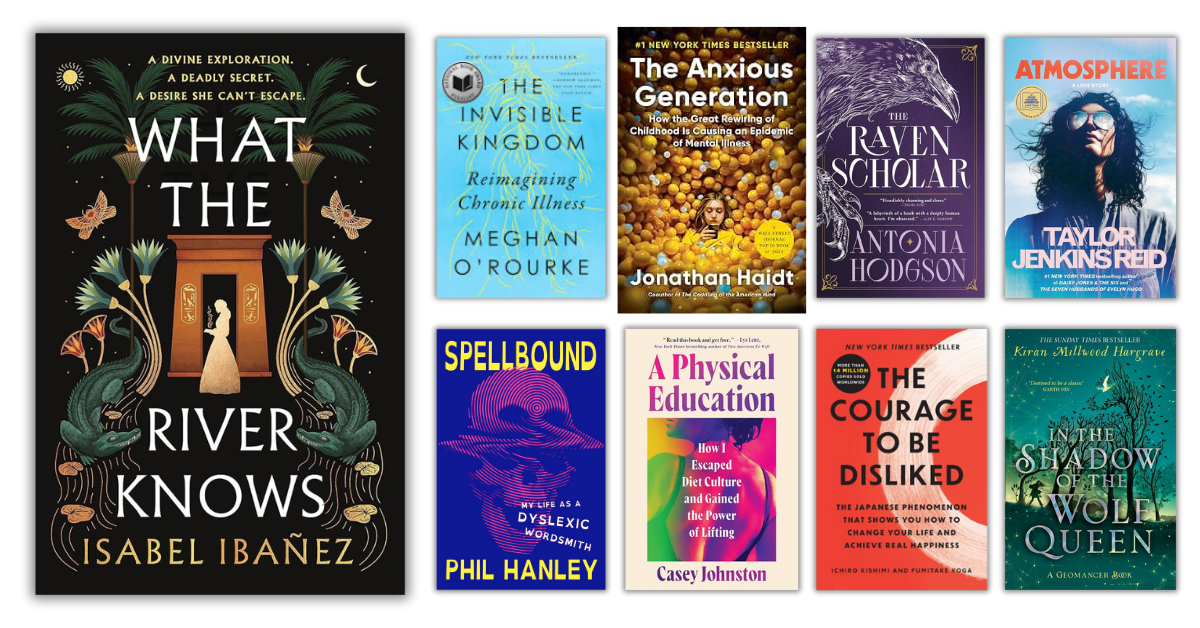
Why we chose WHAT THE RIVER KNOWS for Anjanette:
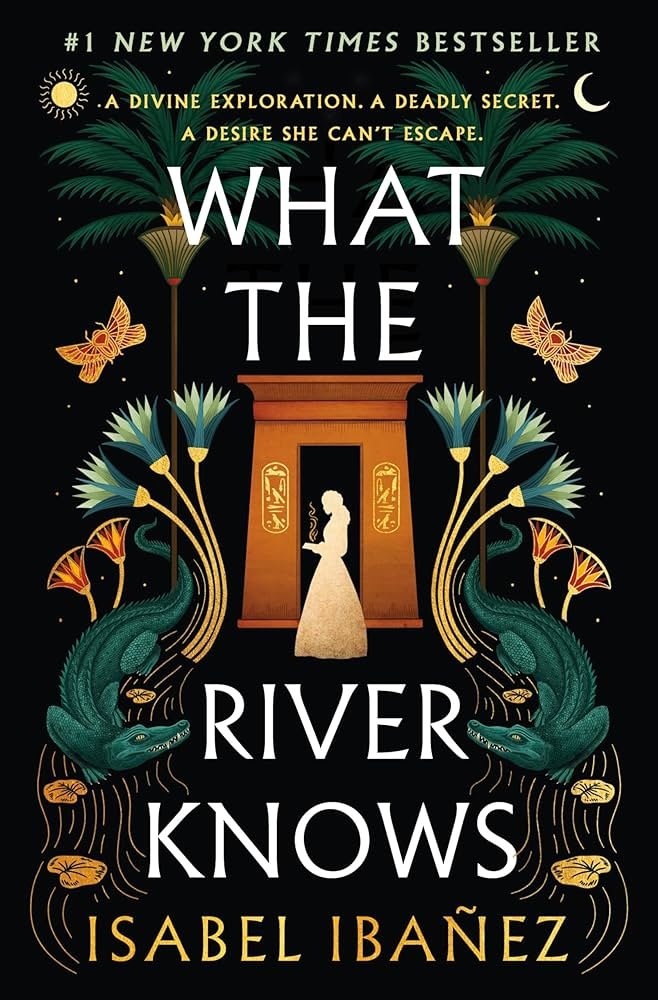
JD: Anjanette had lots of good choices on her list! I wanted to choose fiction since I knew we chose fiction for Lee, and I would get a novel as well since I didn’t put any nonfiction on my request list. Anjanette homeschools her kids, and I heard about the fun they had studying ancient Egypt, so I thought this would appeal to her. And I thought she would also appreciate the 19th century setting and reading a story about a plucky girl travelling far from home to find her parents who went missing. Lastly, I’m a sucker for good design and production, and this book is beautiful.
LM: I think for me, I was looking for a title that felt outside of what I know Anjanette has read recently, while still being within her preferences. All the titles were great choices, but some felt more “familiar” than others to who Anjanette is as a reader, and I wanted to pick a novel that branched out while still sitting in her wheelhouse.
What did Anjanette think of the book?
AB: To begin with, this book is gorgeous. The cover is wonderful, and the edges are sprayed. There are full photograph depictions of the main characters inside the cover, and there are illustrations sprinkled throughout. I’m a big fan of graphic elements in novels.
I’ll also say that I enjoyed the book enough to immediately pick up and read the second in the duology, so my forthcoming criticisms should not be taken too harshly. However, it did not, unfortunately, meet the expectations I had of a compelling historical novel that would be a good companion to an Ancient History class. I won’t be passing it to my students.
WHAT THE RIVER KNOWS is, at its heart, a historical fantasy romance. I felt much of the interesting history and potential mystery were sidelined for the sake of building tension between the love interests. I often ask authors to think about “what makes the reader want to keep turning the page,” and in this book, the forward momentum was nearly all wrapped around the relationships.
I did not learn anything new about Egypt or even Cleopatra. Of course, I’m not a teenager, so those elements may have been more robust to the intended audience. But not my kiddos who had already studied Egypt, and not my daughter’s friend who learned that I was reading a book about Cleopatra and regaled me with ten minutes of facts about Dominican archaeologist Dr. Kathleen Martinez and her hunt for Cleopatra’s tomb.
Egypt and Cleopatra felt like background to the familial and romantic drama in this book. It was also a total cliffhanger. So, it’s worth noting that the second installment did wrap things up nicely, and I felt that the history and setting played a larger role in book two. Also of note, the protagonists in this YA are 19+. There is language, graphic violence, and some mature sexual content. The voice is still very YA, but I might classify it as a crossover book.
Lee’s Options and Chosen Book
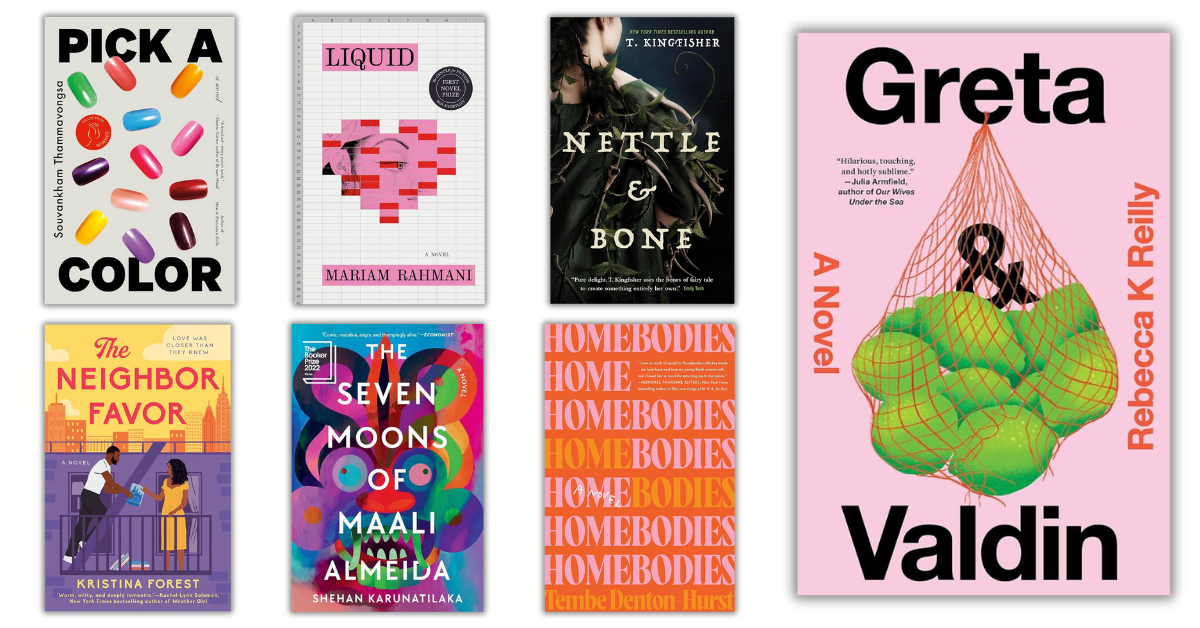
Why we chose GRETA & VALDIN for Lee:
JD: My top two choices for Lee were THE SEVEN MOONS OF MAALI ALMEIDA and GRETA & VALDIN. But when Anjanette also had GRETA & VALDIN as a top two choice, I agreed to go with that. I thought Lee would enjoy the messy family dynamics and complicated relationships. All of the characters seemed to be facing some sort of existential crisis, or is it just angst?, that promised to intersect in ways that would be simultaneously heartrending, hysterical, and relatable for anyone in their 20s.
AB: There were many on Lee’s list that looked intriguing! My top choice was LIQUID: A LOVE STORY, and GRETA & VALDIN was my second choice. Since it was high on Jennie’s list too, it was easy to compromise. Knowing that Lee has a personal interest in Pacific Islander culture and history and seeing that the protagonists were praised as being authentic and relatable, tipped this one over the edge for me.
What did Lee think of this book?
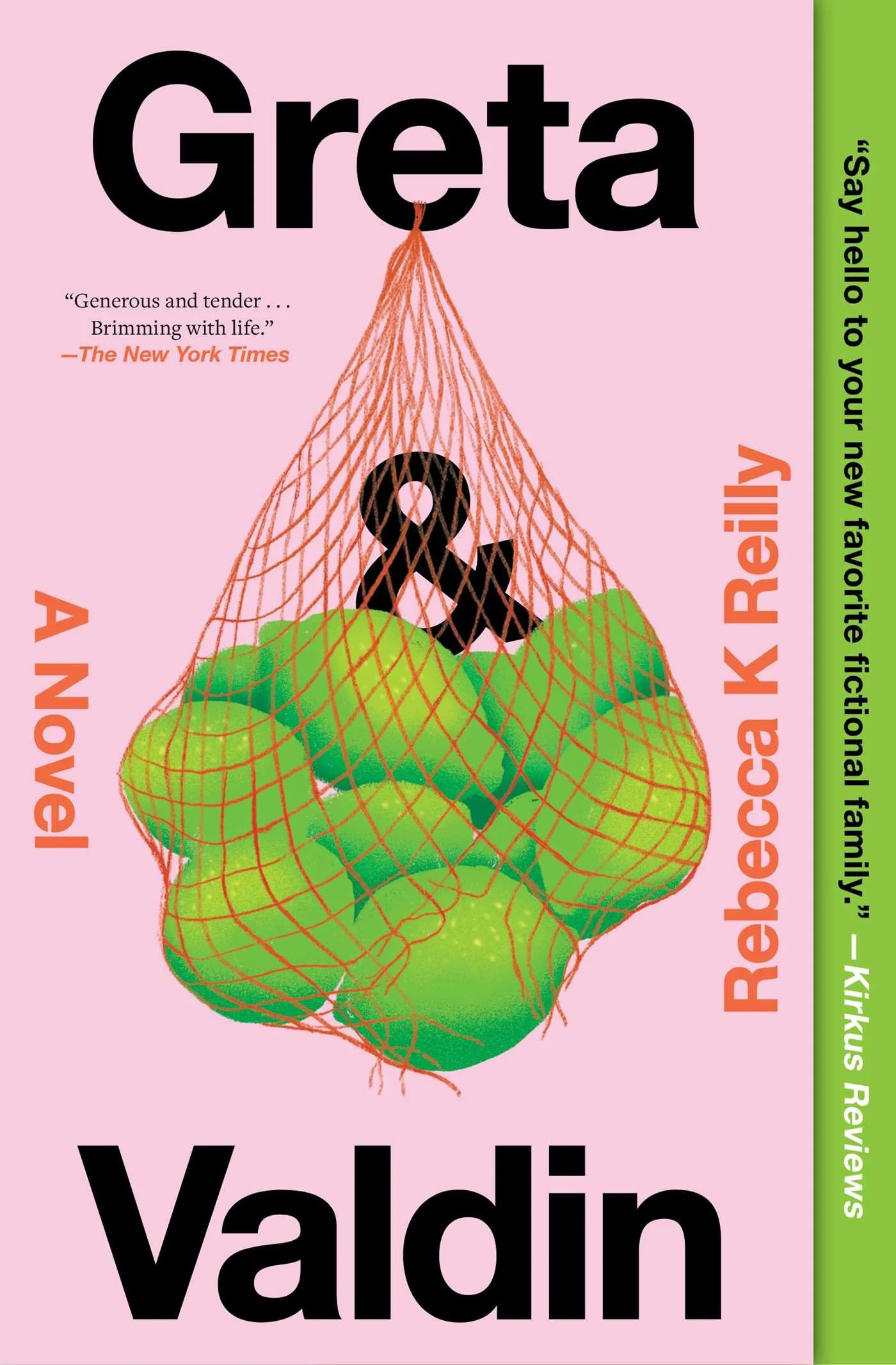
LM: Sometimes you start reading a book and go, oh, this was manufactured by a team of Lee scientists in a Lee lab just for me, Lee. This was my experience from the first pages of GRETA & VALDIN. I would have been thrilled reading any of the choices I provided Jennie and Anjanette, but this was the right book at the right time. Reilly’s voice pulled me in immediately, and both of her protagonists were so, so relatable. Their quirks, their relationships, their neurodivergence – so rarely do I see characters who, at their core, think like me and make choices like me. Whether it was Greta getting lost in a park in the dead of night and calling her ex to save her, or Valdin becoming a beloved TV personality by virtue of being a neurotic freak, the way they interacted with the world was cathartic in its familiarity.
My favorite type of novel is one that is authentic in its portrayal of a culture or experience yet still has a universal relatability at its core. On paper, there’s not much about them or their lives that is similar to mine: I’m not from a family of scientists, I’m not Maori or Russian, I’m not from New Zealand, etc. But, by the end of the book, I felt intimately connected with Greta and Valdin’s family, and couldn’t help but rooting for each and every one of them. I haven’t read a ton of literature from New Zealand in the past, and while I wouldn’t say this book was educational in the formal sense, it’s so specific and lived-in I felt I learned a lot by the end.
I appreciated the commentary on Maori identity and social justice – while not often the sole focus, it’s ingrained into so much of what these characters do, how the world treats them, and why. And, as a lifelong reader of old-school Russian sagas, I enjoyed the homages to that style (like the character page listing off everyone’s many, many nicknames and complicated relations to one another). Also, the VOICE! The HUMOR! The REFERENCES! While its sense of humor might not land as laugh-out-loud funny to everyone, the wit in Reilly’s prose drips off every page and makes a delightful reading experience from start to finish. I could not recommend this book enough to anyone who wants a weird, heartwarming, and all-around engrossing read about these two siblings and their family.